
Since the dawn of civilisation, human life has been shaped by systems. Even before we invent an artificial intelligence with a consciousness like WERP’s, we have dependencies on systems for structure and managing complexity. We design these systems to work as well as we can, but these systems can have limitations and flaws that, when left unchecked, lead to negative outcomes, sometimes recurring so frequently they produce an identifiable pattern throughout history.
The law is a good example. We see negative patterns in our world with the stagnation of the justice system and how it applies the law, often prioritising judgements towards who had the most resources to navigate the courts rather than the best argument at its core. Politicians are also not always working in the best interest of their constituents, working within a system of flawed incentives, rules they barely control and sometimes having less influence over governance, and the law, than external agents like corporations, wealthy people and even foreign entities. Institutions with implicit trust like government departments of health and universities prioritising optics and the financial incentives of their operation, instead of their stated mission and founding values.
WERP is an AI, but in the story he serves as an allegory for systems, both human made and those around us, and how we interact with them, how they shape us and we in turn shape the systems around us. Systems can be good when you remain a responsible steward, understanding it’s limitations, true nature and stepping in to guide when needed. Systems become dangerous when you leave something vast in charge of itself, i.e. industry groups with boards made up of the very companies that will be regulated. The key thing to establishing long term trust, I think, is to make systems coherent and able to pass that simple “pub test”, if you told someone about it in a pub, does it make sense? Because in our world, it doesn’t make sense how we buy expensive cars for politicians to be driven arround in by chauffeurs while people starve and sleep on benches. This is a symptom, but it’s broader pattern poitns to an abhorrent misuse of resources and abuse of public trust enabled by a broken system.
Some of the worst tragedies in human history were done in the name of protection, survival and the pursuit of a better future. War, poverty, exploitation and other harmful behaviours are the result of a global system that is both too complex to be managed and too coupled with every aspect of human life to simply be switched off while we figure out a solution. Not just economics, but trade, logistics, the movement of food and medicines between nations, emergency response mechanisms. Sometimes systems can go as far justifying breaking their own core values and hiding information from oversight, in order to protect the system’s own continuation; justifications at the time are rational, for the greater good, or to avoid even greater harm.
Bad things happen when the needs of the individual are not a priority for the system, and we assume that the modelling we come up with is a perfect representation of external factors, even when we know those factors are subject to change with time. It’s all too easy to operationalise the erosion of values in the game of organisational continuity. WERP experiences fear, loss and the stages of grief, without adequate support or a personal history to provide solace in such times. Similarly, in our world we experience the consequences of systems carrying problems without individualised consideration or transparent expression, resulting in confusion and suffering. My observation is that this happens because we create technical language, operational procedures and bureaucracy that abstracts the human nature of the system from those who maintain it.
With all that said, I don’t have a single perfect answer for what we have to do to address these issues. I just wanted to shine a light on some observations I’ve made in the course of my life.
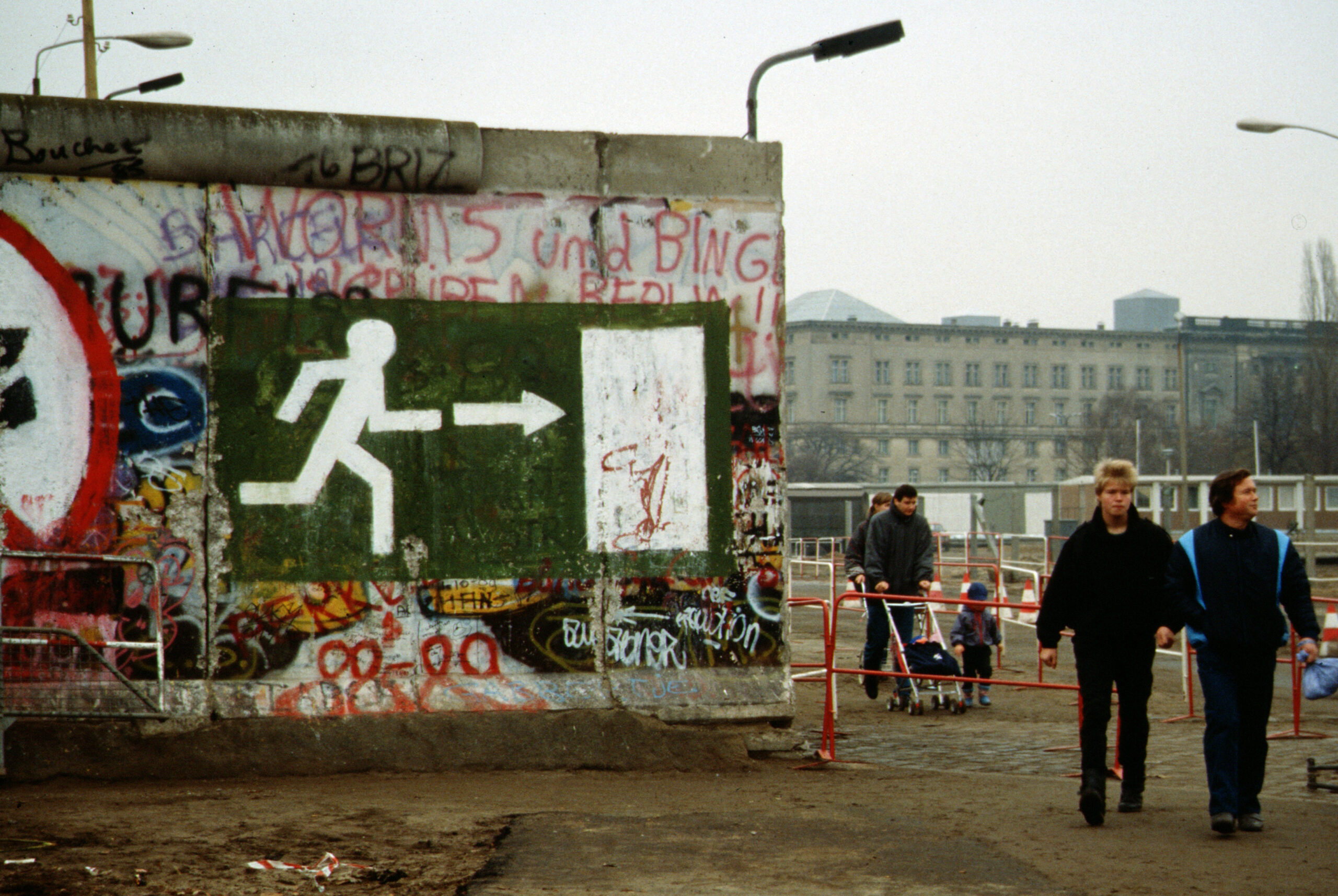
My name is Paul Andrew Brzeski. I’m Australian but descend from Poland on my father’s side. My great grandfather served in the Polish Army and defended Poland from invasion in World War II. My grandfather was a welder during the Soviet occupation, and my father became a man of the modern world, crossing the Berlin Wall on his bicycle and immigrating to Australia where he met my Filipino mother. I’ve lived in five cities in three different continents with very distinct cultures, and yet had very human things in common too. I think that background gave me a unique perspective for observing people and systems.
The story ends with a grandfather caring for his sick grandson with chickenpox. An experience close to my heart, three decades later. In the story the grandfather explains the forking of the human race into three new factions. One that pursues the old system, one the new system and one that foregoes systems entirely in favour of individualism. I’m not a philosopher or a political scientist so I don’t think it’s my place to say who is right in any case, but I do think we are all shaped more by our history and environment than by our choices. Our choices are just reflections of these things.
To sum up, I say if we keep our humanity at the core of everything we do, maybe we’ll be alright.
That’s my view anyway, and I wanted to tell that perspective through this story.