
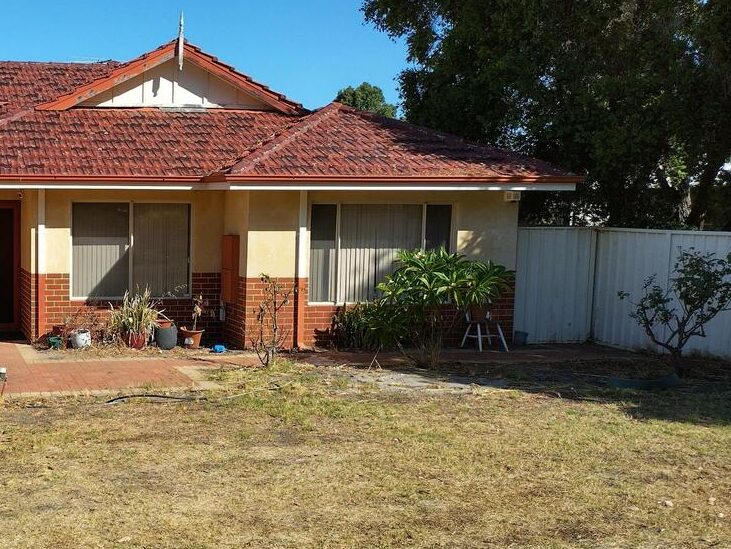
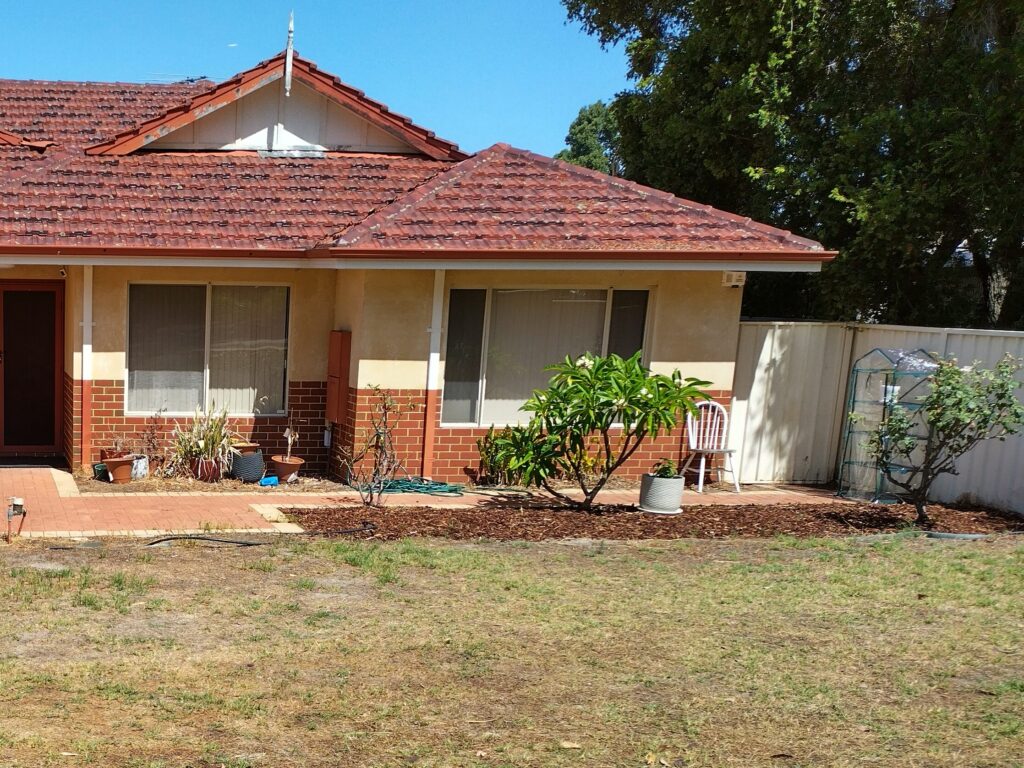
The front of my house faces west, sunset, which means we get a lot of bright hot light from midday towards the early evening, irrespective of the weather. We’re just renting so I didn’t want to add any structures to solve the problem, but the idea of growing some plants seemed like a reasonable stopgap for blocking light and preventing heat from hitting the windows.
Starting out gardening in Feb 2023, I had a lot of issues growing anything at all out the front, the soil hadn’t been used in a while – everything was dry and starved for nutrients. The first year saw a lot of experimentation, starting small and then by trial and error looking to fine tune the results.
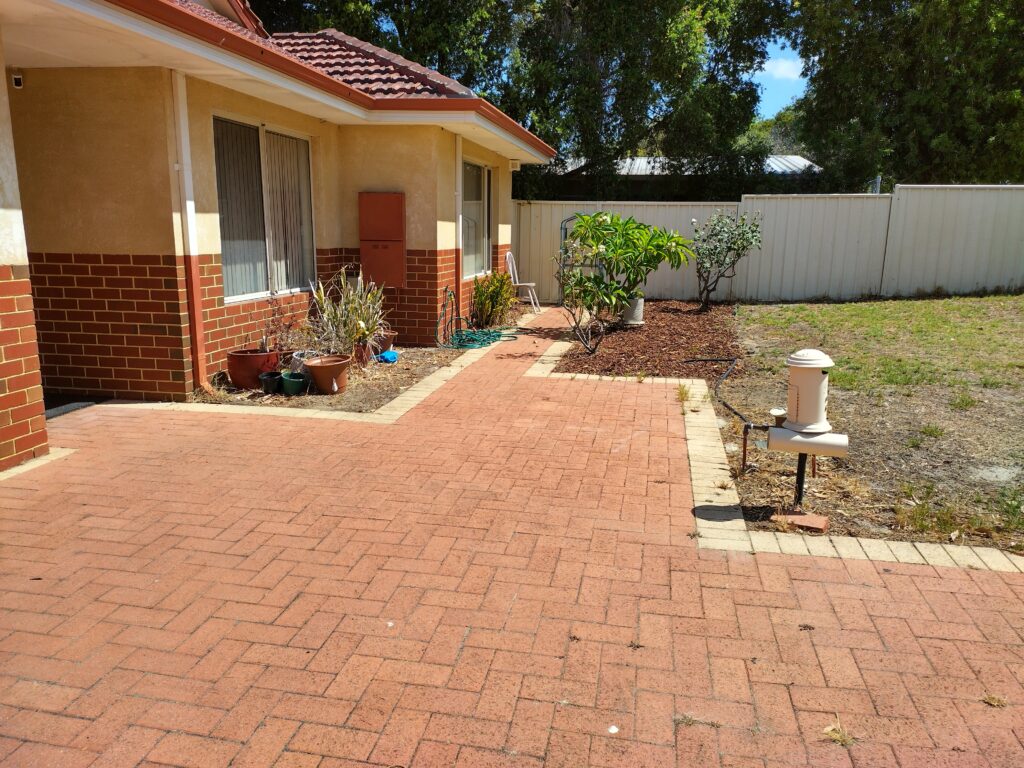
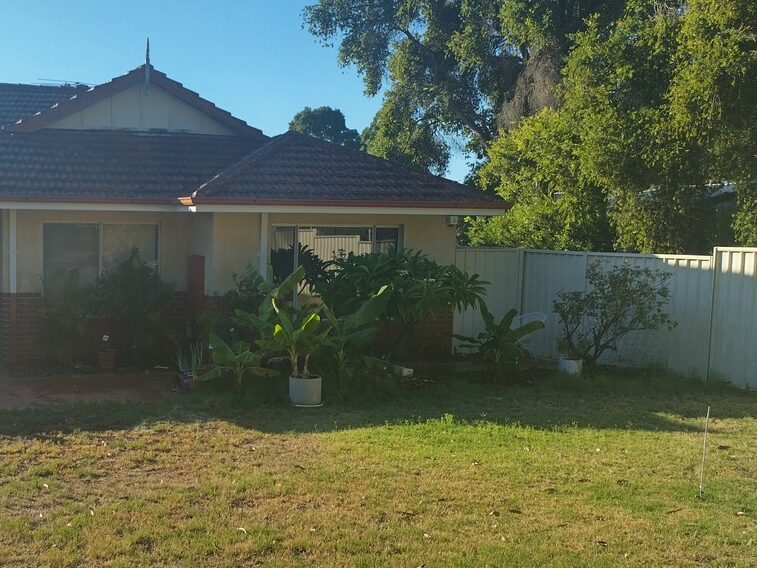
Covering the main growing areas with some mulch was a good start, you can see in the before and after that first go what a difference it made to the presentation of the house. That was before I’d tidied up the small area that’s occupied by old pots which contained strange grubs that looked like aliens.
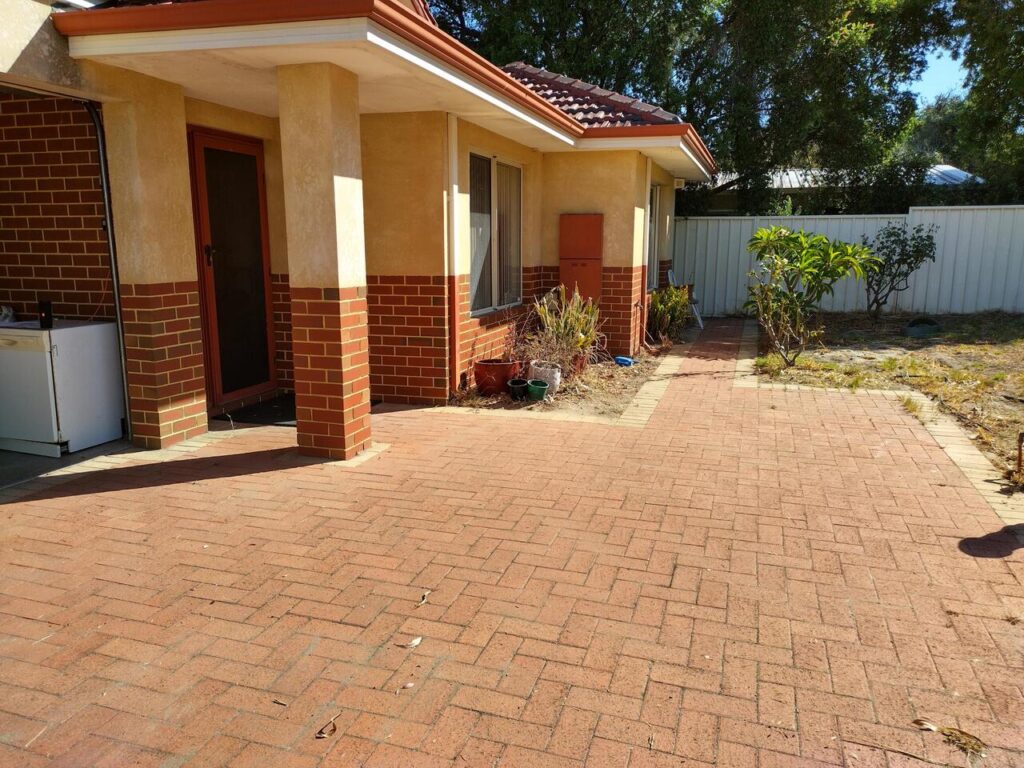
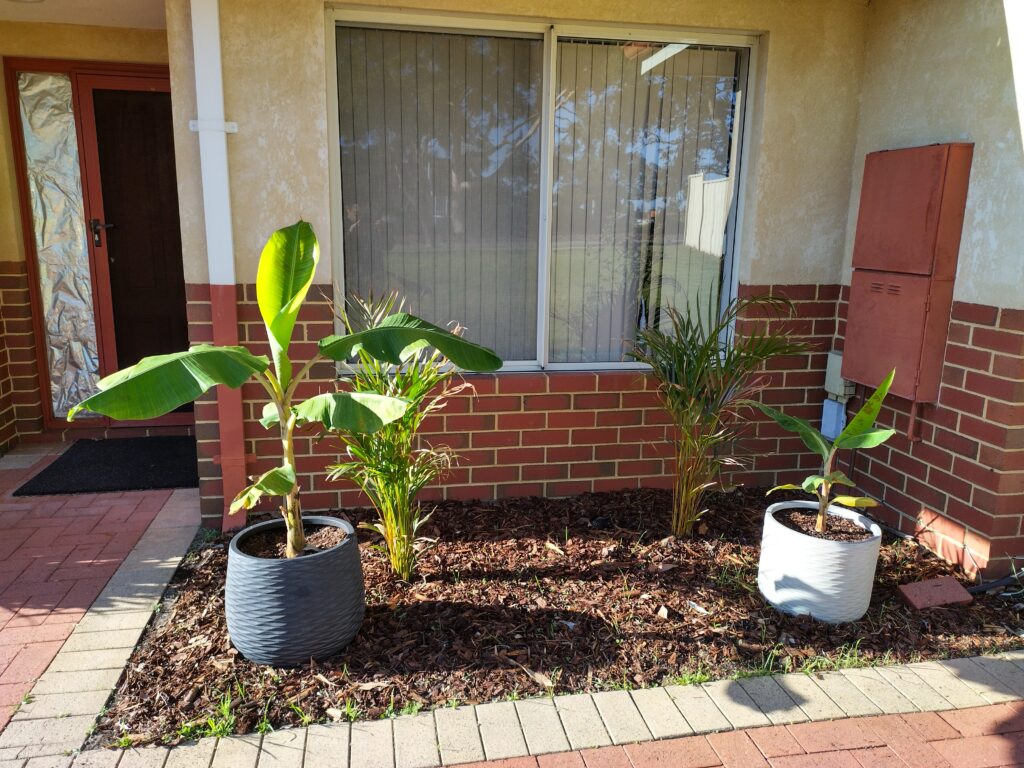
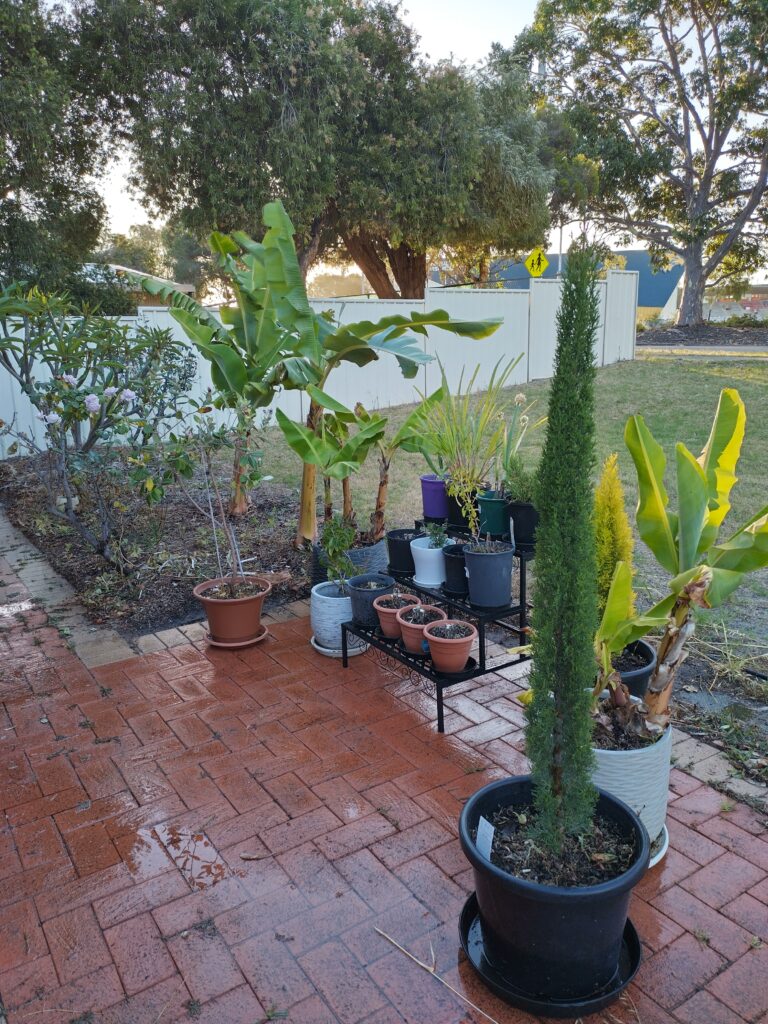
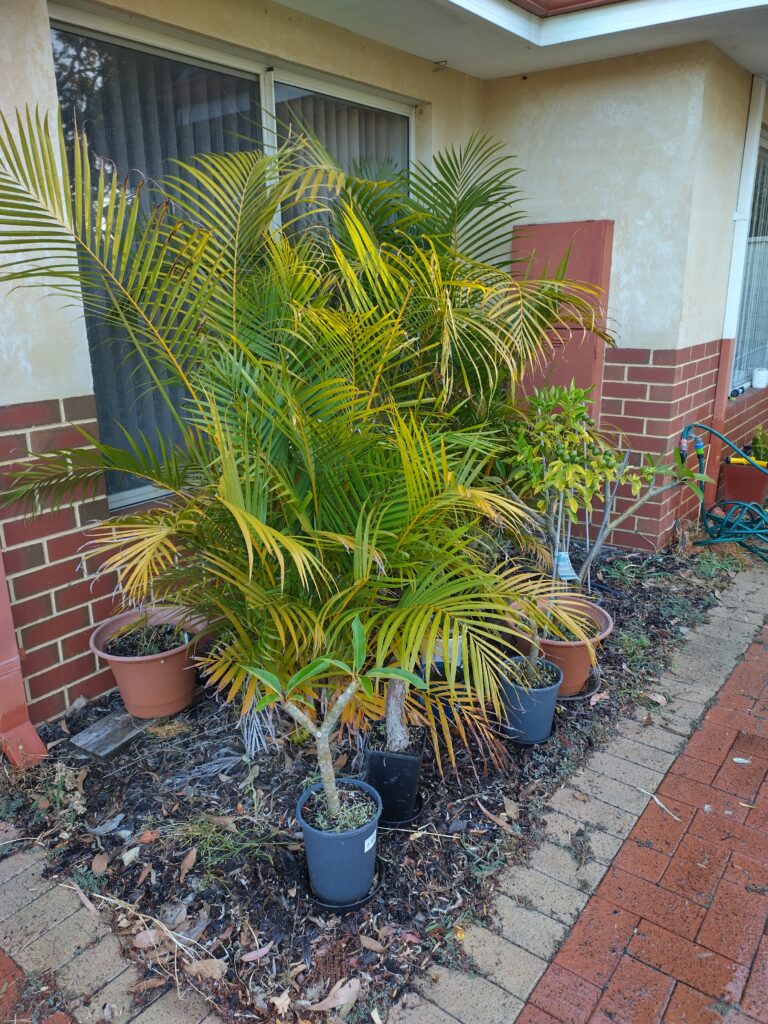
A few months later, around May 2023, I bought some Areca palms and banana trees from the local nursery Kambarang Garden Centre. I planted the palms in strategic spots for them to provide shade to the front window of our jewellery crafting room. Taking care not to let the new plants dry out, I positioned the heavy banana tree pots around the freshly planted ones. This shielded the Arecas from the worst of the afternoon sun, provided a cooling effect by proximity and trapped a small bit of moisture from evaporating in that spot.
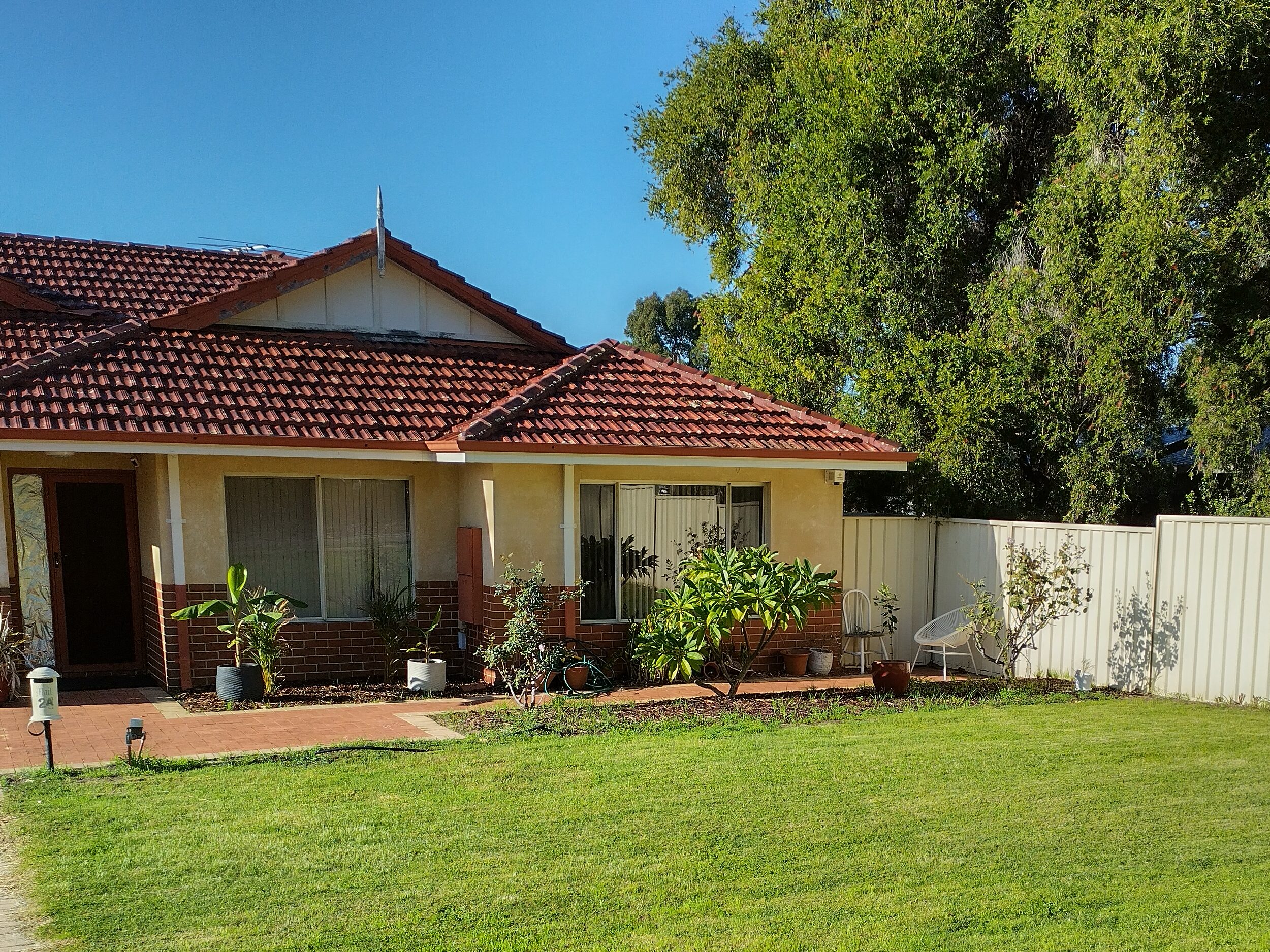
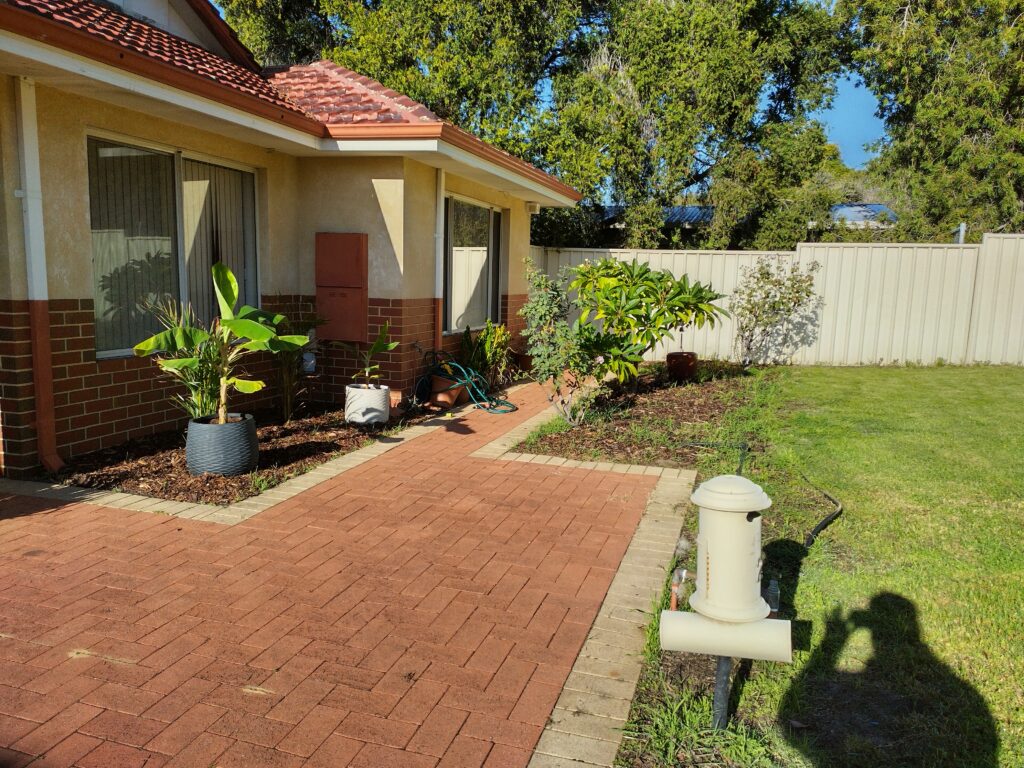
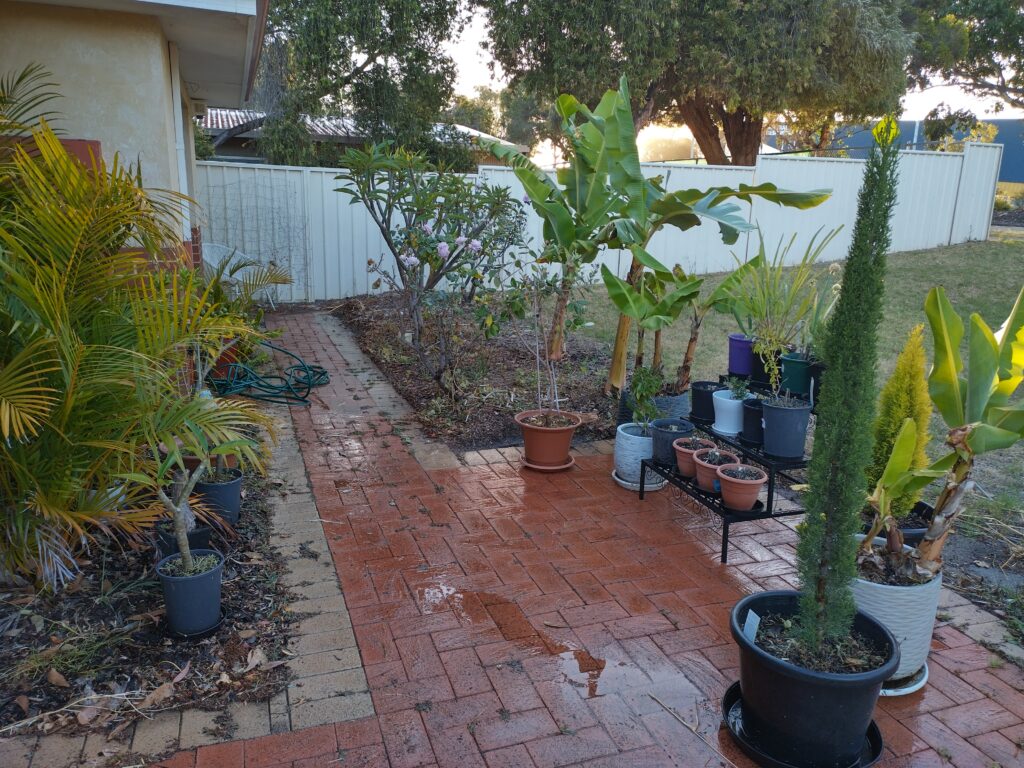
By December of 2023, I had accumulated a decent collection of plants but wasn’t sure how they were going to fit together in the garden. After the challenge of keeping the Arecas alive, I wanted to be cautious and followed a similar philosophy of keeping plants together so they could give each other protection from the elements.
Smaller plants like Thai Basil and Oregano needed protection, so they lived under the shade of larger plants. The big pots continued to move around based on the changing position of the sun throughout the year. It was also good to keep them moving around to keep the area clean.
Knowing the soil had only begun to recover, I maintained multiple pots of fresh water for birds to drink. This worked beautifully, attracting a variety of species to perch on my trees and cool off. My favourite bird the Willie Wagtail is a frequent guest. Not only do the birds add to the overall beauty, their poop is a valuable fertiliser, they eat bugs and their foraging aerates the soil. I was witnessing the beginnings of a mini ecosystem.
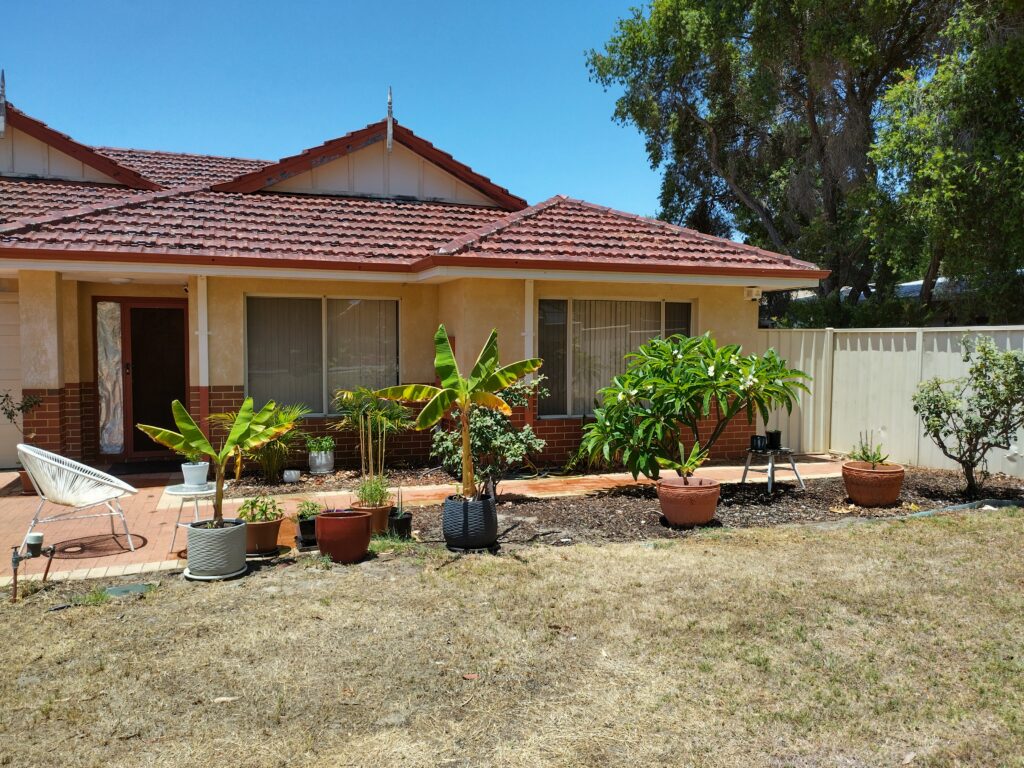
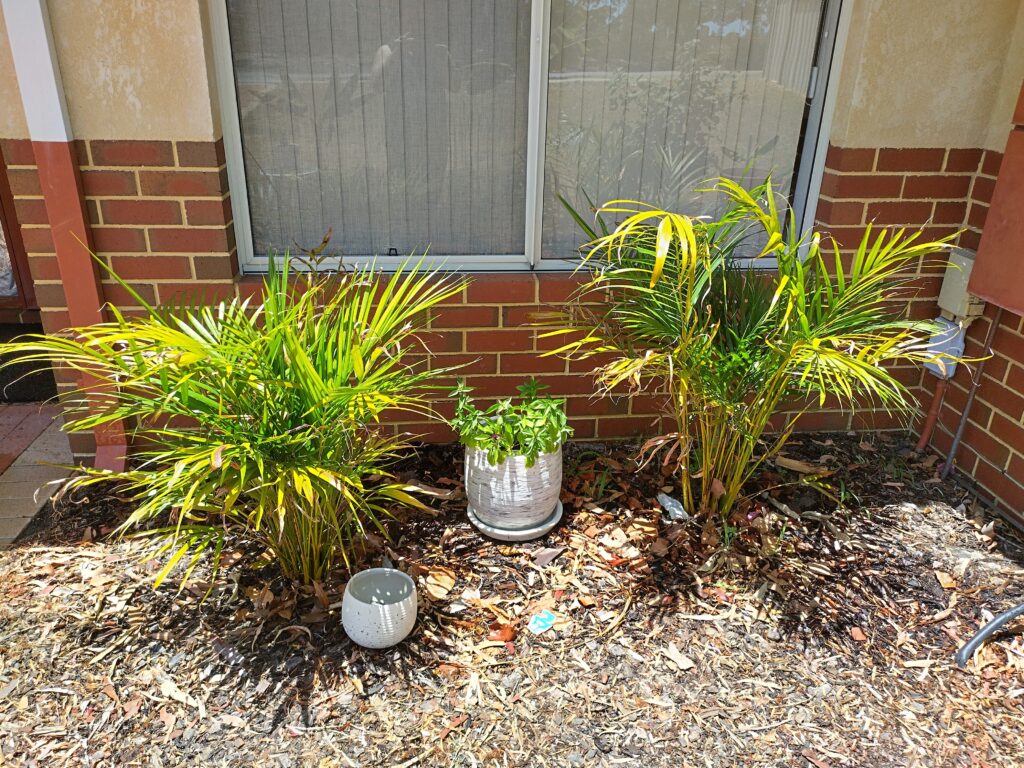
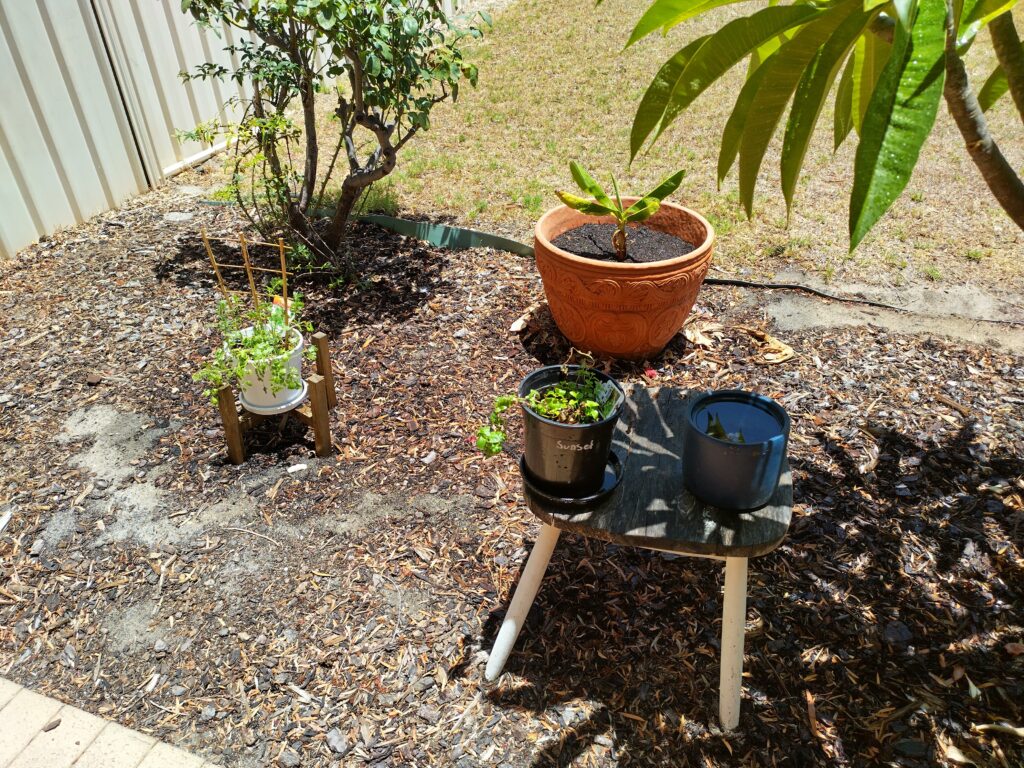
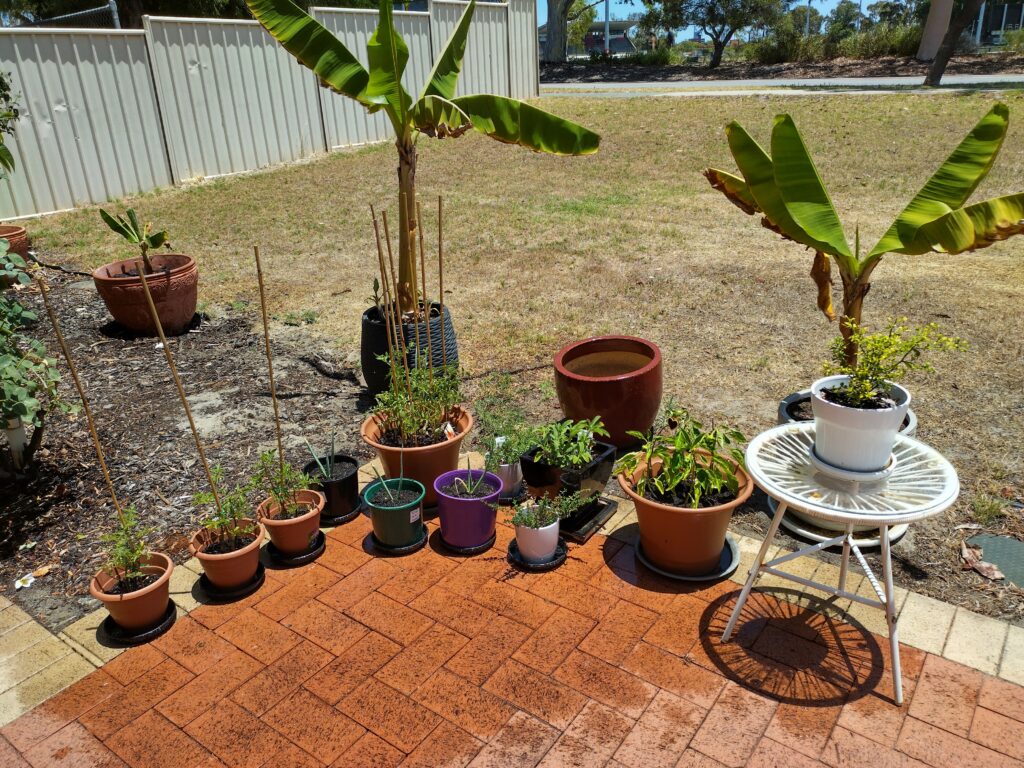
In the year that followed, I tried to grow some tomatoes and capsicum, but had grossly underestimated their water requirements which means they didn’t make it once winter subsided. The Arecas, original frangipani tree and rose bushes were going strong though so I knew the garden had potential – I just had to be strategic about which plants I chose next and when I chose to plant them. Planting the Arecas in May meant they had maybe 6 months before summer returned, allowing their roots to develop and the plants to flourish.
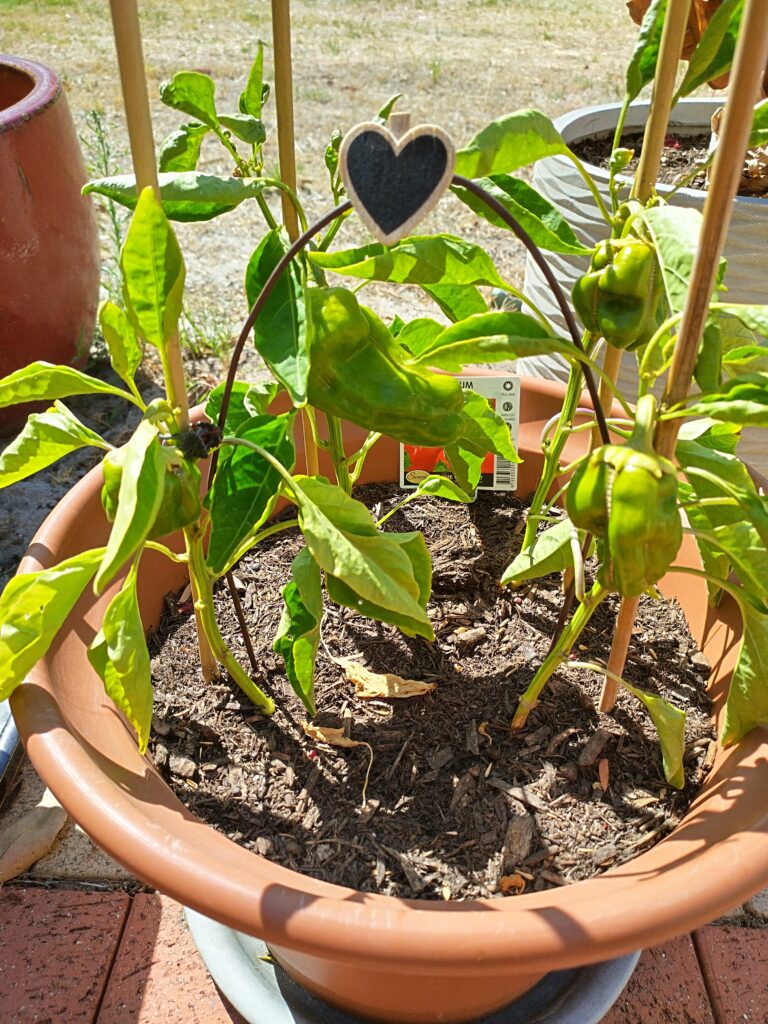
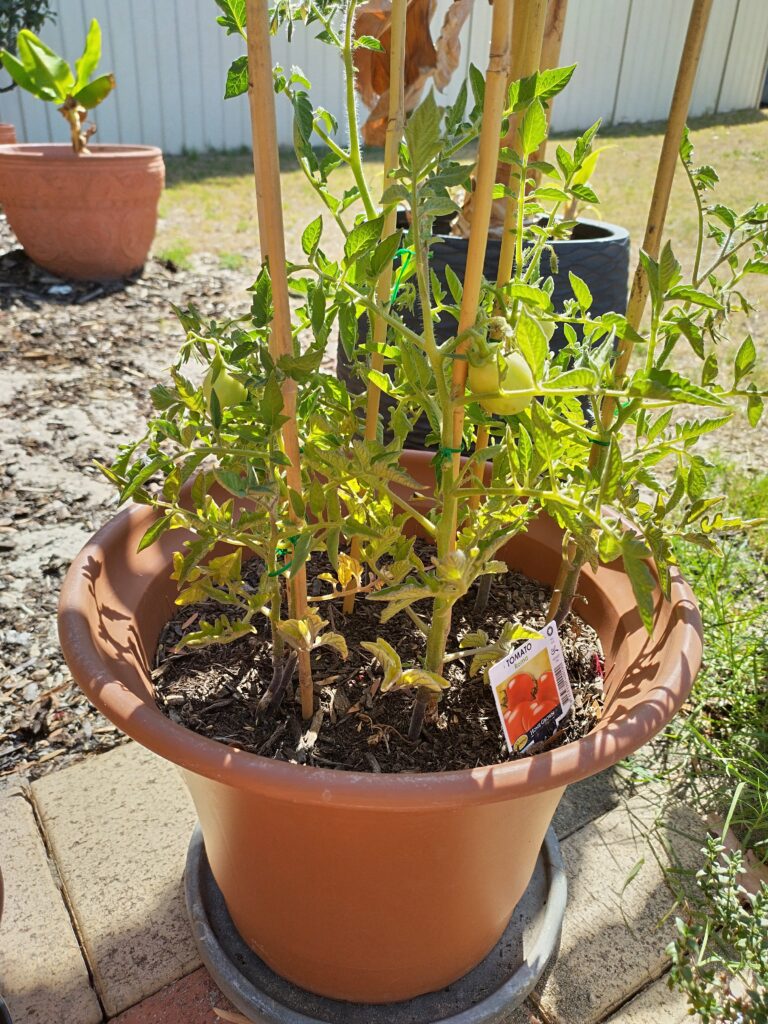
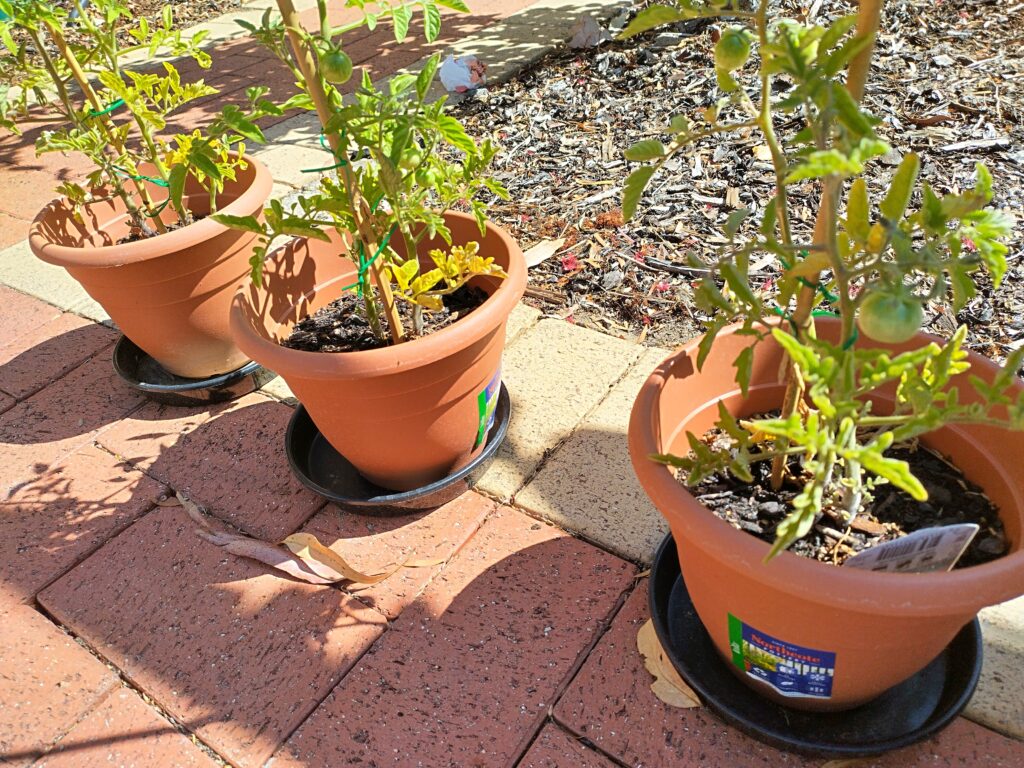
I had done my best to hand water the garden, it’s easy enough for the potted plants and odd tree but it was a chore to regularly ensure the lawn was getting enough. The landlord helped us out and fixed the houses reticulation system. The retic did a good enough job, not as good as hand watering, however we quickly went from a water bill of less than $100 a quarter to $600, so the automated sprinklers were out.
For a while we used a standard oscillating sprinkler that sprayed a wall of water from side to side, however it often got stuck and was still quite costly to run. Looking for a change, I was fortunate to spot a special water efficient impact-style sprinkler called a Wobble-Tee lawn spinkler.
Endorsed by the Water Corporation itself, the Wobble-Tee has been a revelation – it uses a minimal amount of water but sprays it in even amounts and slowly, so that is has time to absorb into the ground rather than pooling. The impacts also aerate the soil and are in larger droplets so they don’t evaporate as easily.
Our operating costs for the garden dropped to the point that even maintaining the lawn in summer barely affects the water bill now. We stick to watering the lawn on our two scheduled days in case you’re wondering. I honestly can’t recommend this sprinkler enough, so here is a brief video explaining how it works and how to use it.
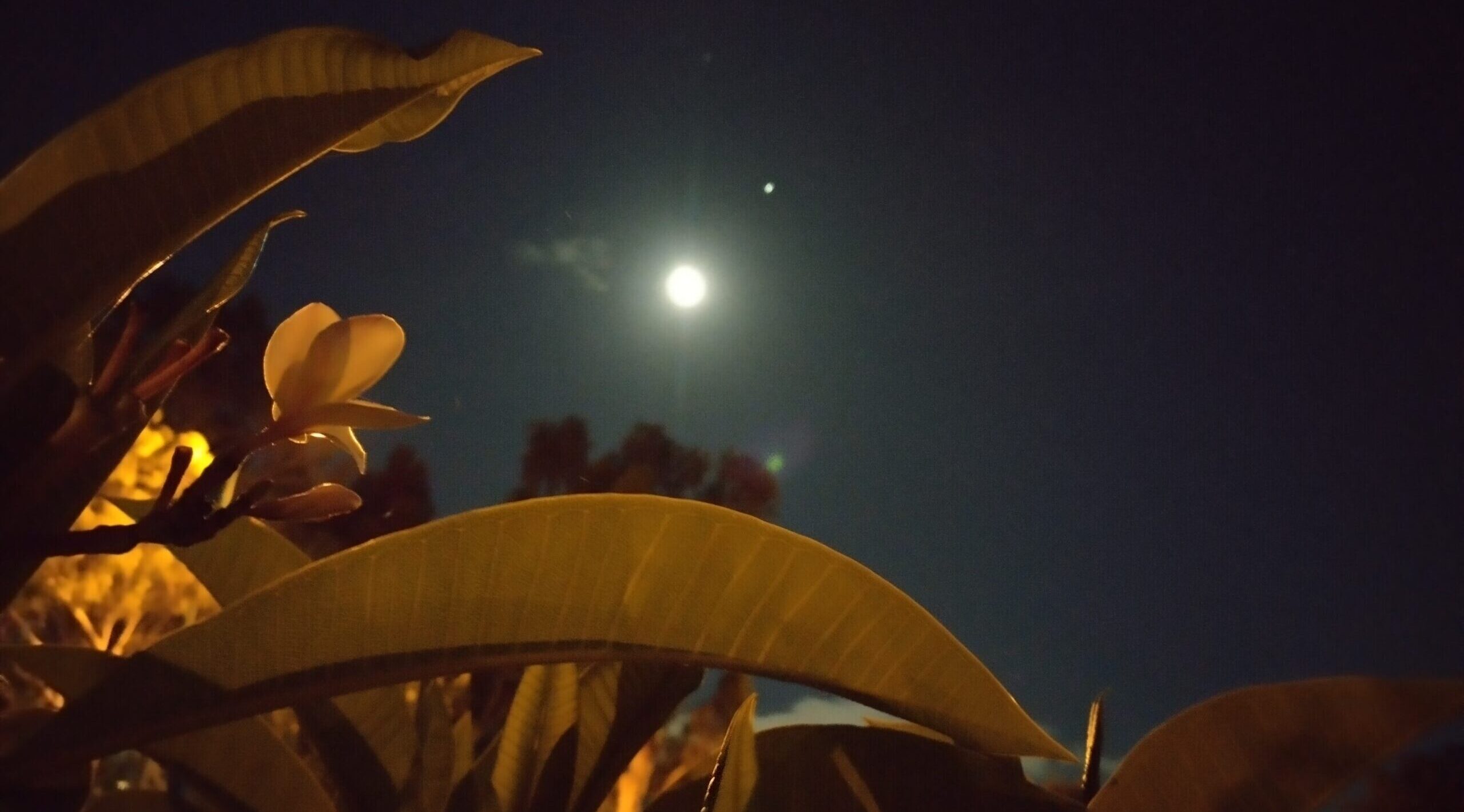
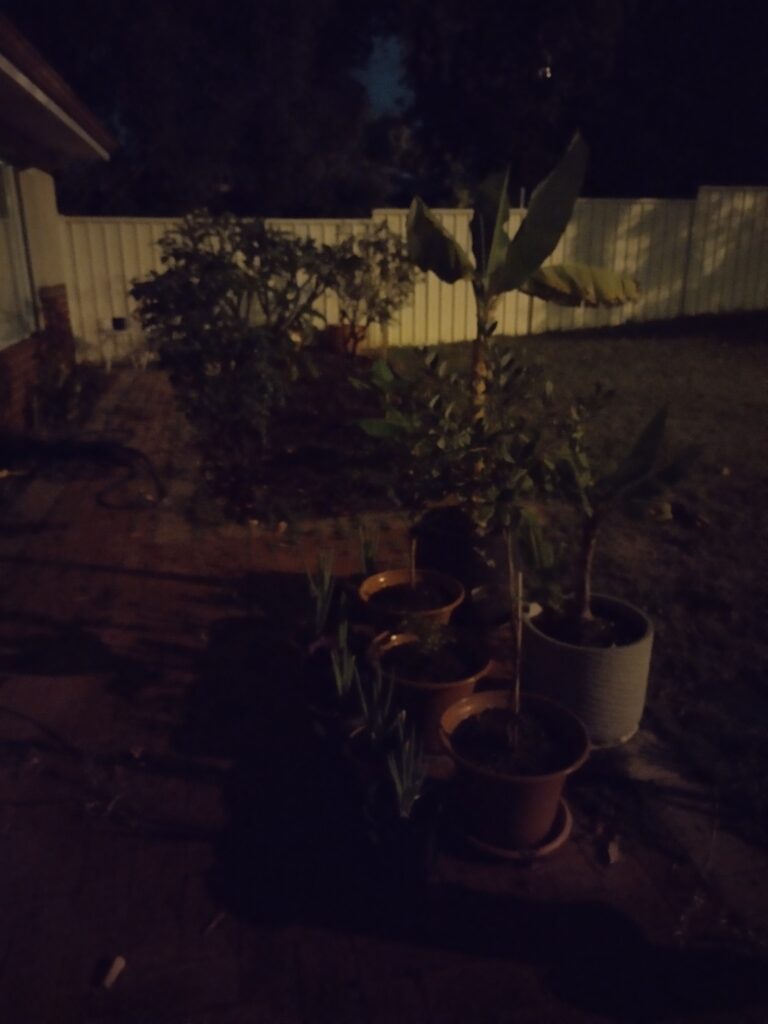
November 2024, I was spending a lot of time in the garden at night and so I apologise the photos might be a bit harder to spot details in these ones. You can see that I had planted the banana trees and they were beginning to take off. The Arecas had begun to block the window as planned but had more to go before they could provide decent shade to the jewellery room.
The good folks at Kambarang Garden Centre got me onto some plant food, which I applied diligently to keep the plants fed. When you spend every day observing your plants, you can spot changes like drying and changes in colour. It doesn’t take a lot of time out of your day, you just have to be consistent. Doing so ensured I was able to keep my plant babies alive through some tough conditions.
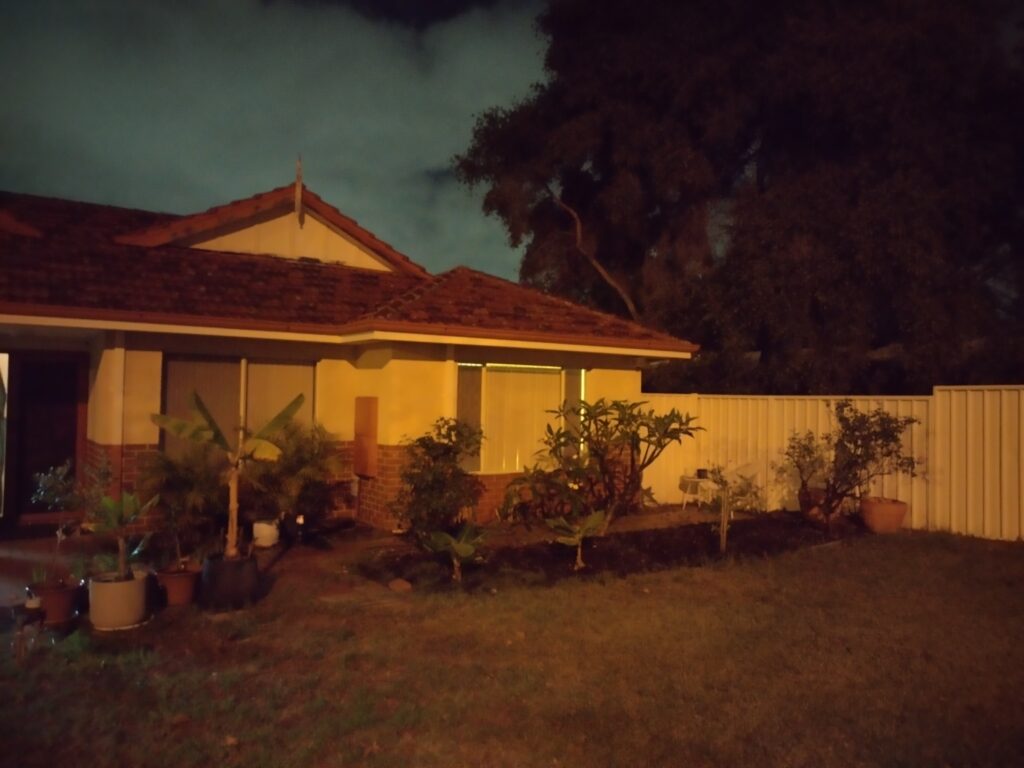
By February 2025, my humble garden had grown into a jungle with a vibrant collection of plants supporting each other and creating a display of life that gets glances from everyone walking past the house. I’ve developed strategies for managing weeds and pests without spending too much money on products from the hardware store.
Getting these results was only possible through patience, making small iterative changes and observing their effect over time before making more changes. The results didn’t just look good and cool the house, we had also been enjoying free calamansi fruits and a variety of herbs in our cooking from rosemary to spring onion. Always fresh and ready to go.
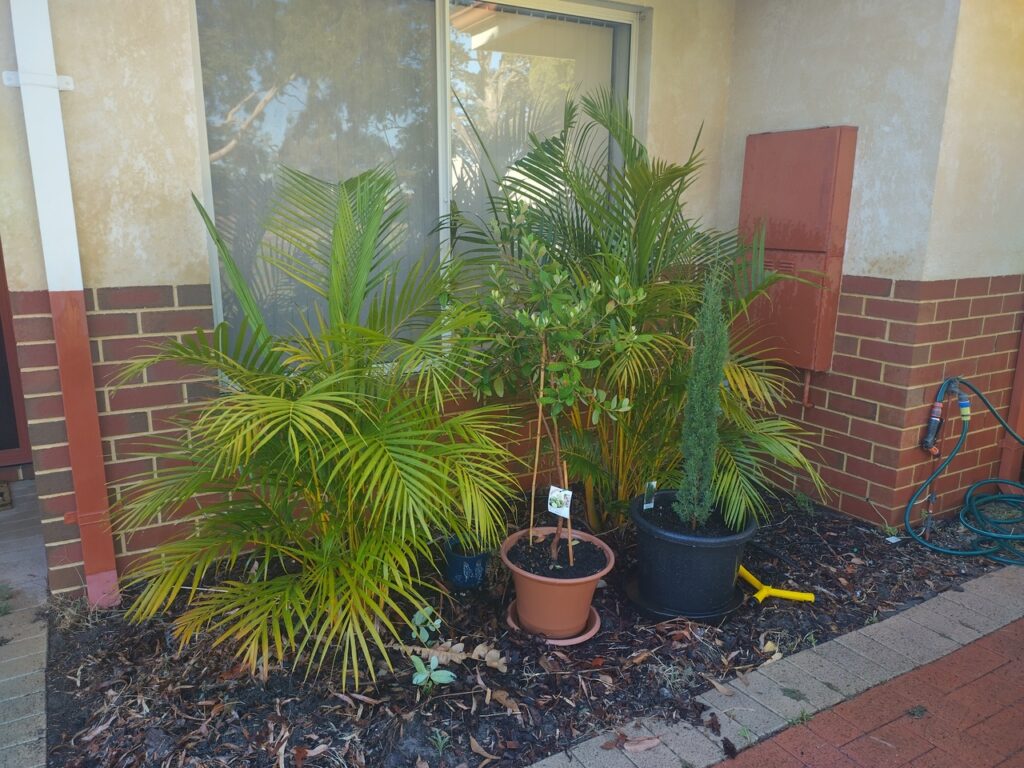
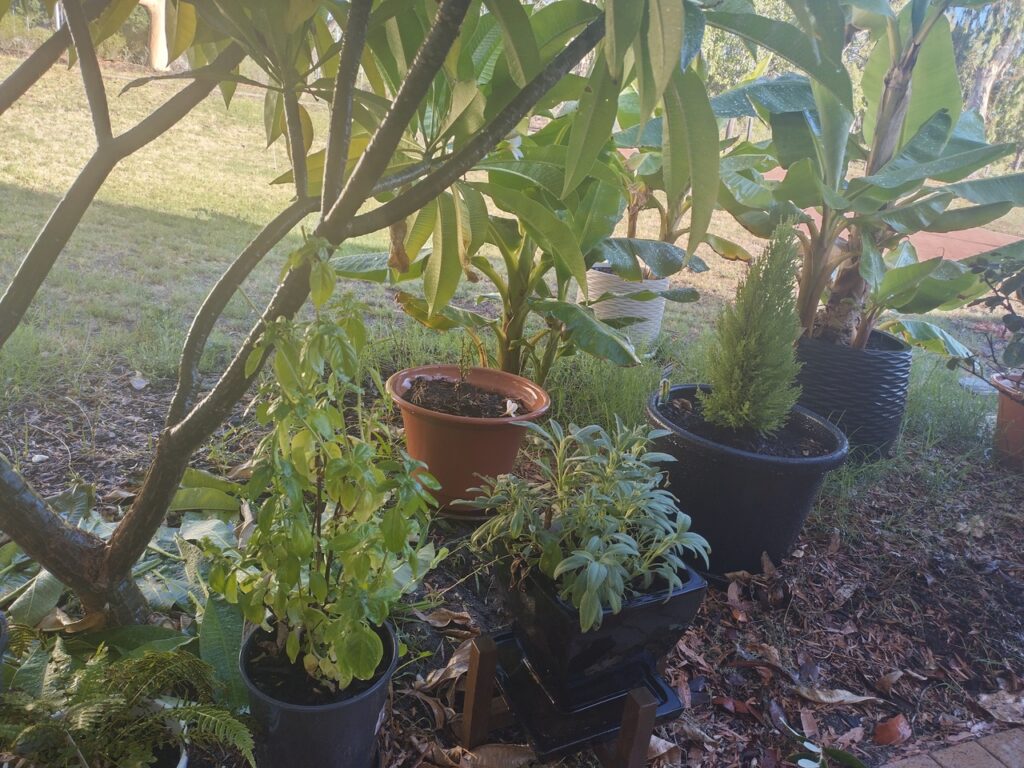
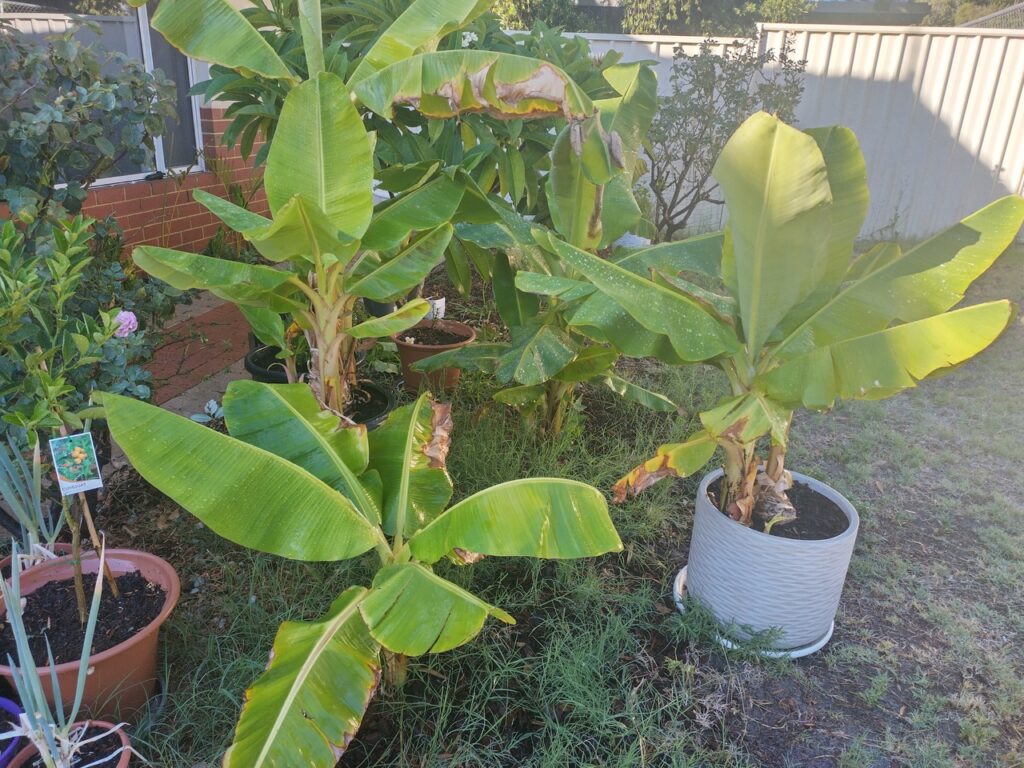
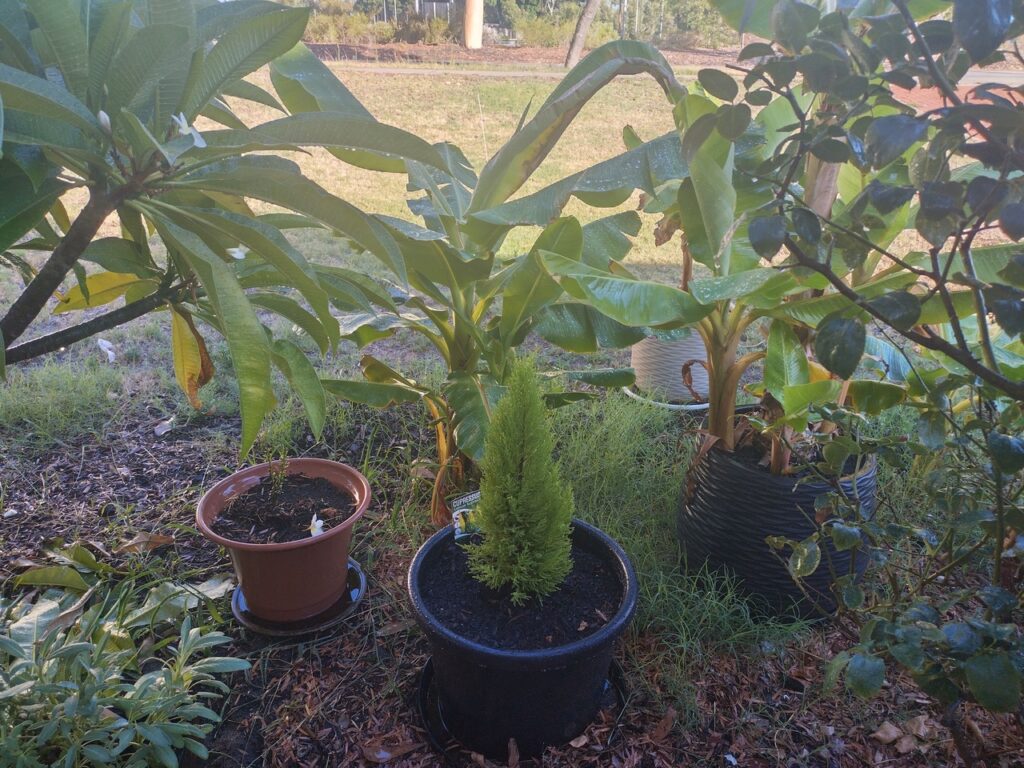
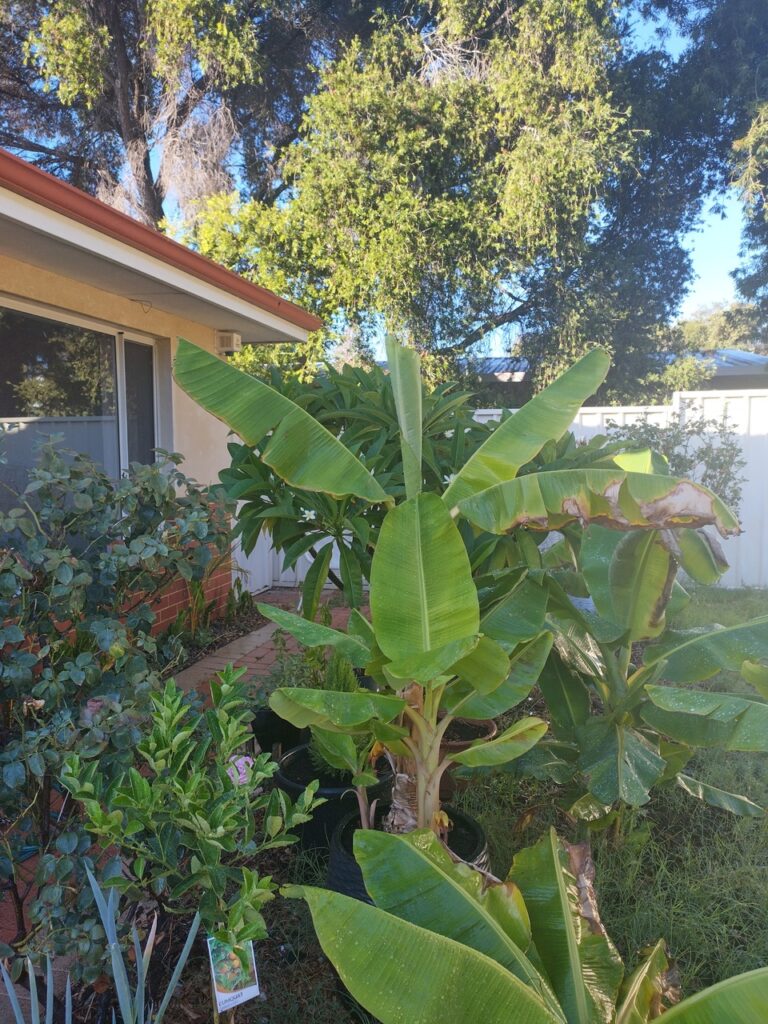
This year wasn’t very exciting in terms of new plants, but the growth I’ve seen from the banana, Calamansi and Areca plants has been incredible. From what started as humble shoots in a potted plant, these banana trees were now taller than me and ready to shield the front of the house. The Arecas have flourished so much, I use them as a cool shade for the more delicate herbs such as sage. The calamansi fruits so often, we are regularly enjoying that authentic flavour in our Filipino BBQ pork liempo.
By November 2025, I’ve bought my first storage unit to organise the mess of smaller pots that were on the ground. It looks more presentable now and having them at waist height makes the key herbs easier to reach for my husband who is recovering from a spinal injury.
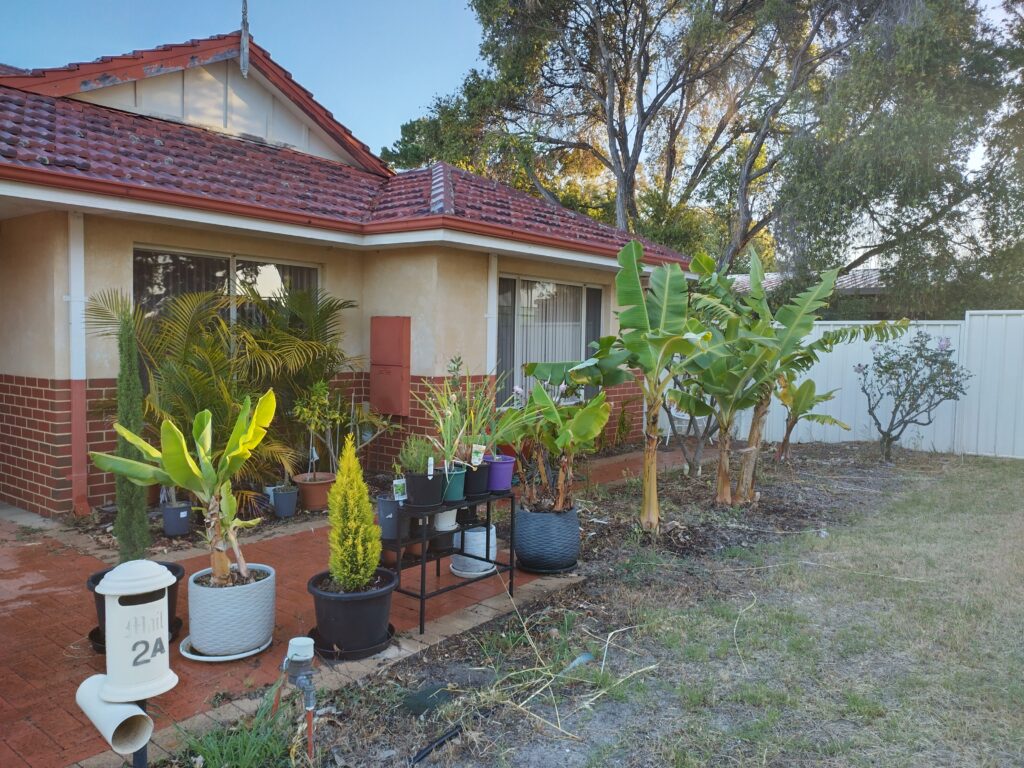
As a programmer, I was so used to relying on putting in extra effort to produce a result. When there was a bug, I’d solve it. New solution required? I’d write it. Gardening taught me that while effort was important so was patience and observation. I had always been used to surging my productivity and fine tuning efficiency to improve project outcomes, but for the first time in my life I began to see software development as something akin to tending to a garden.
You can’t just drop new programs in an untested environment and hope for the best, anymore than you can expect young plants to thrive in a dried out garden bed. Results can’t be rushed, sometimes they just take the passage of time, but that passage of time doesn’t always require your constant attention. Knowing the difference between the two can be a game changer for freeing up your time to focus on other matters.
Complementary, holistic solutions, that are made with care, can create benefits and efficiencies that are innovative because they are undiscovered and exist outside the bounds of conventional wisdom and reference. After instinctually discovering the solution to protecting my plants in the heat, I learned that several nations in Africa were part of a project called the Great Green Wall. The project employed a similar idea of using plants in proximity to each other to cool areas and ultimately stall the desertification of the continent.
When we work in small mindful steps, the risk is managed because the resources allocated are limited. Time is freed up to ensure one can be a steady guiding hand, rather than just a productive workhorse. A good worker can definitely produce good results, but it takes a gardeners mindset to show up every day, pay attention to what needs tending to and then focusing the resources in a systems oriented way.